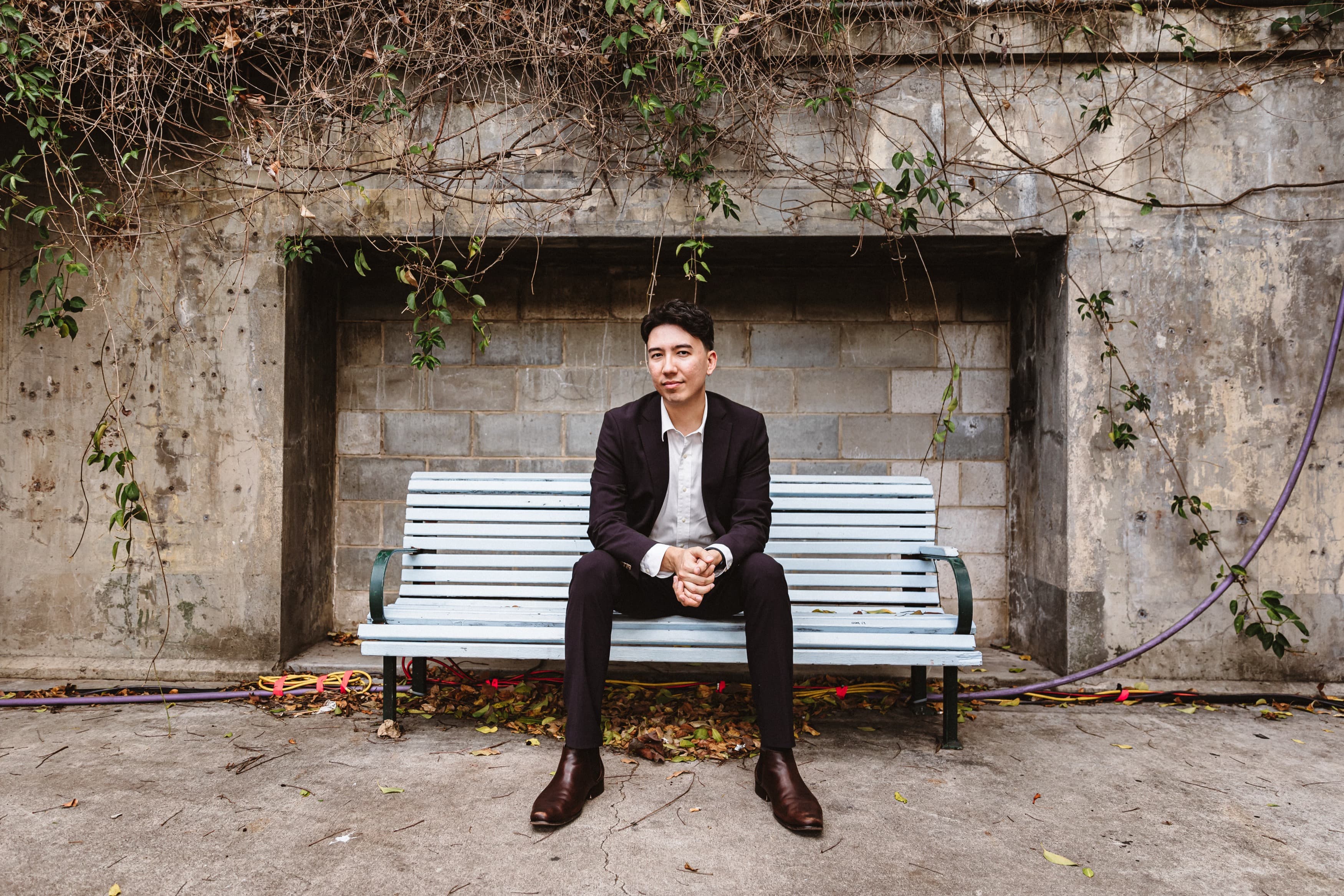
Portrait 01 of 15
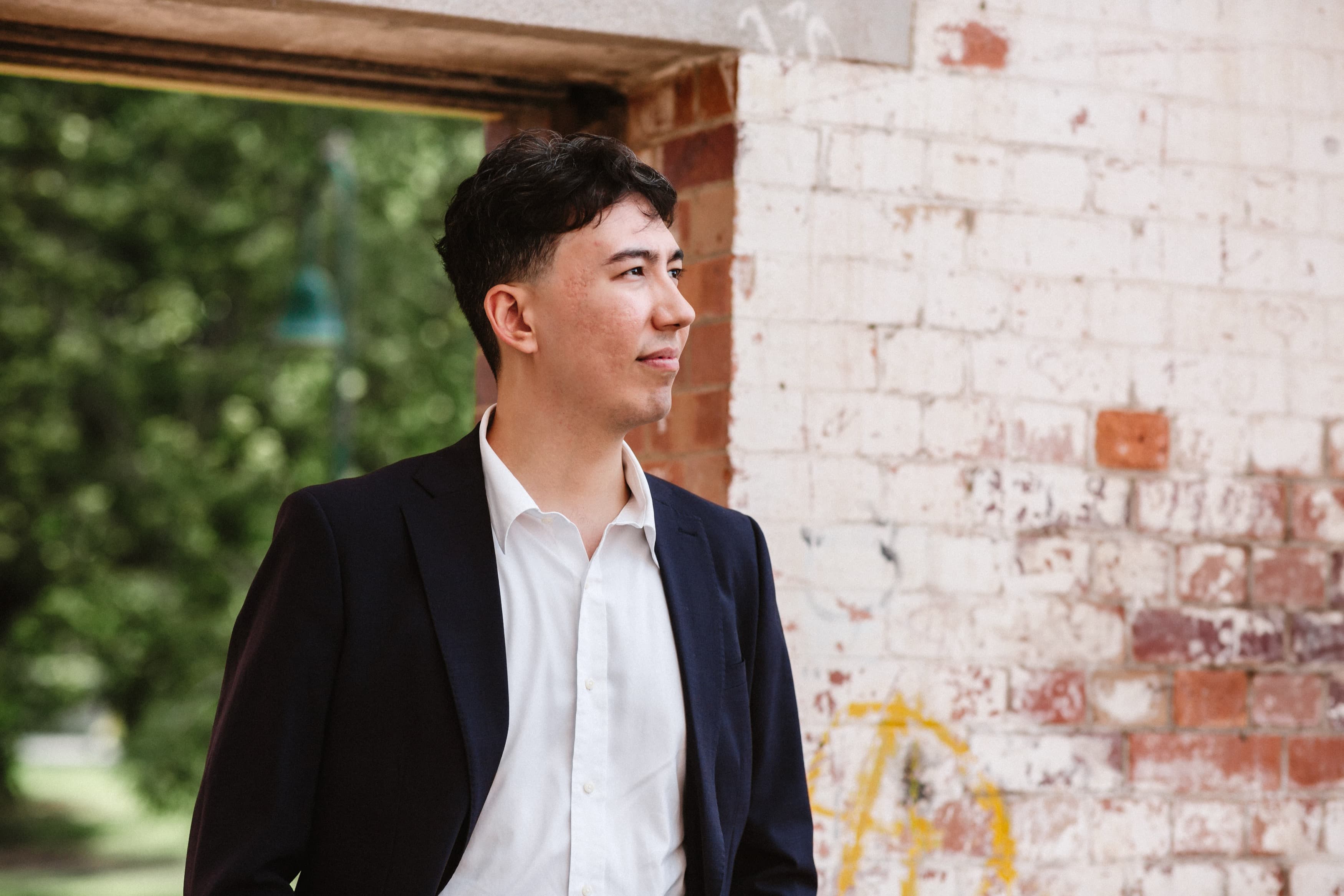
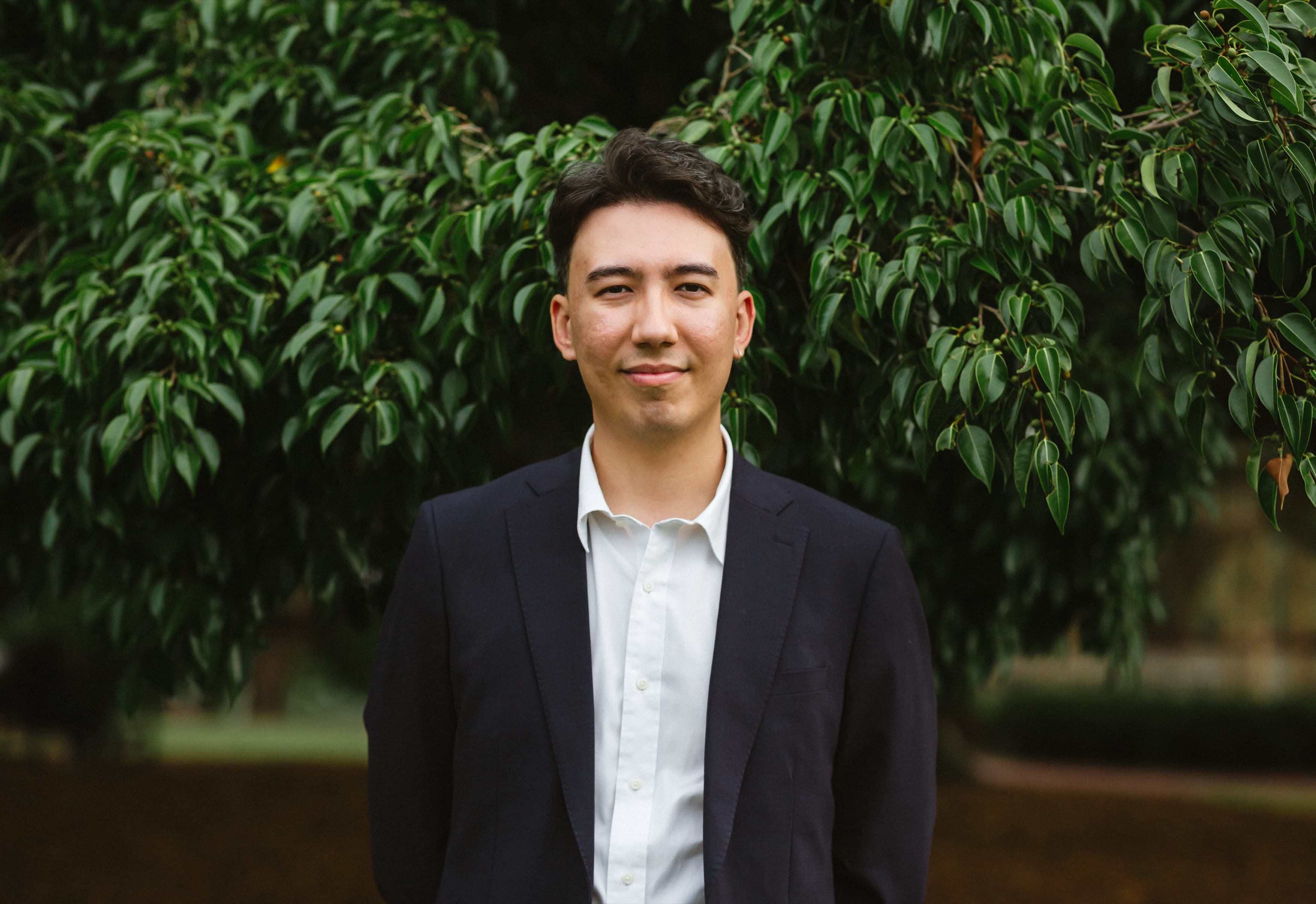
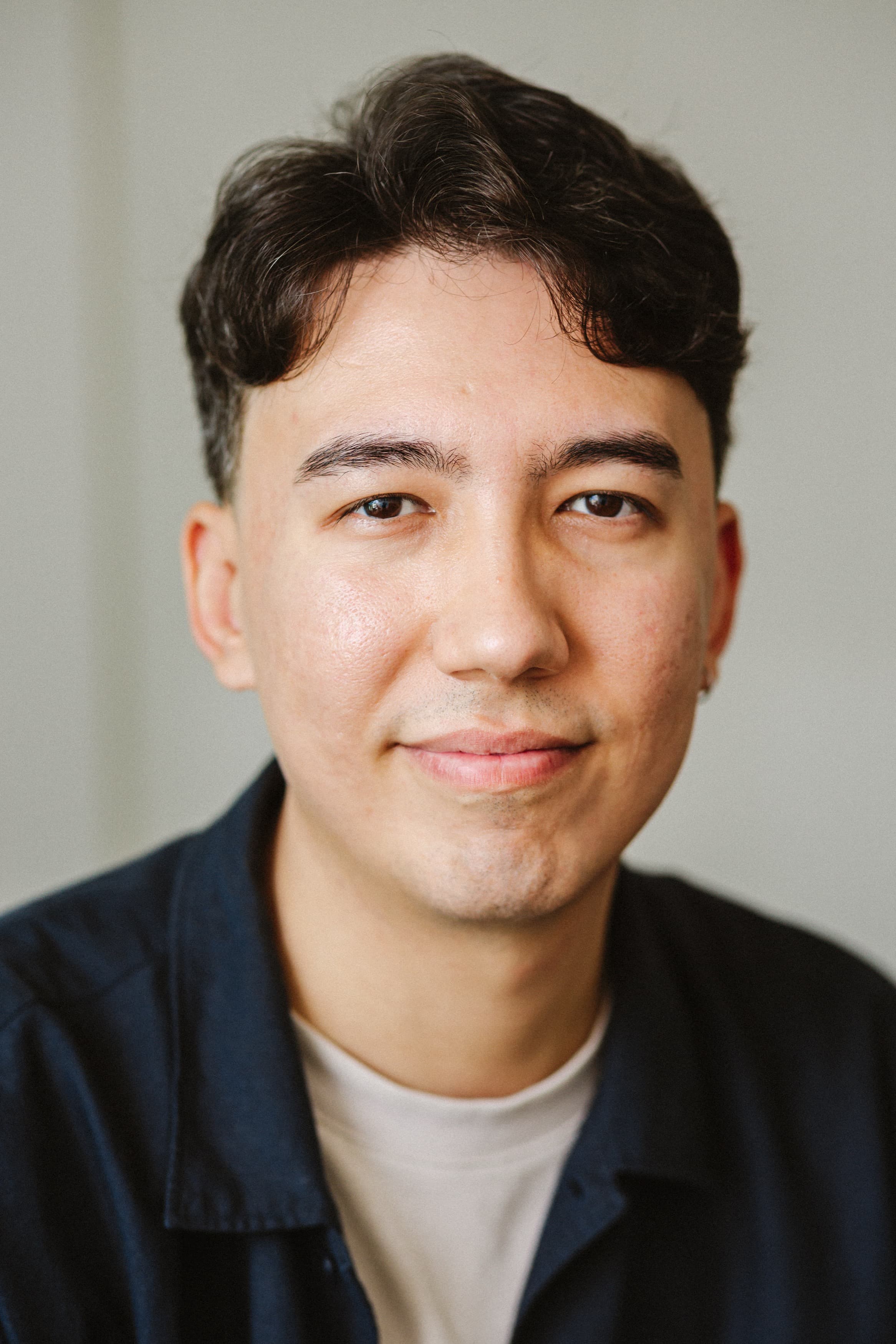
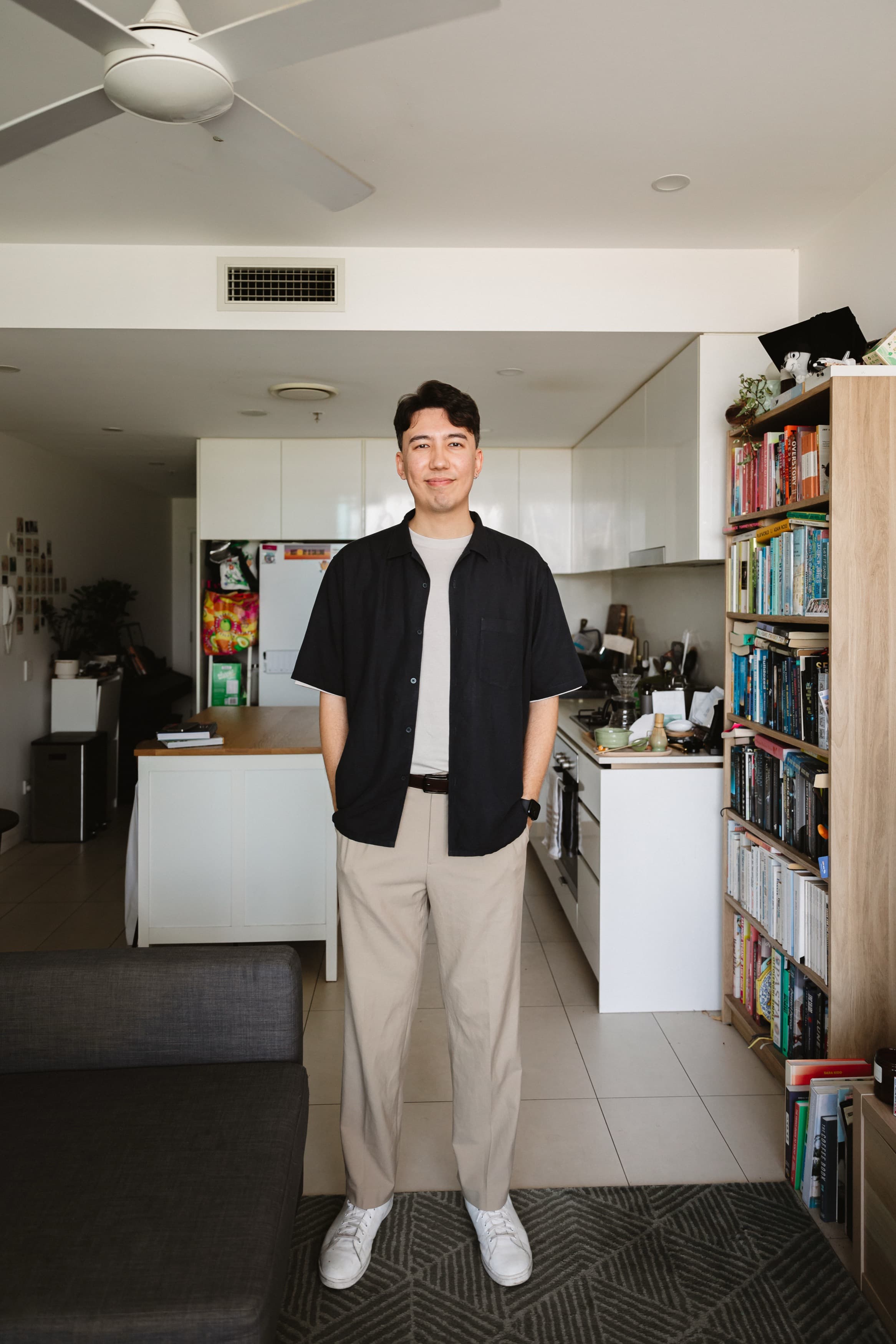
Pema
Arts and Culture as Civic Infrastructure
he/him · 27 · Meanjin (Brisbane), QLD
Arts & culture · Social cohesion
A nation that cuts culture is cutting off its ability to understand itself.
Pema’s father escaped Tibet and rebuilt his life in Australia through culture, memory, and community. Pema sees the same logic at work everywhere: culture is not ornamental, it is the infrastructure through which societies hold together, remember who they are, and imagine a shared future. As arts funding shrinks to project-by-project survival, Pema asks what we are quietly dismantling every time we treat culture as the first thing to cut.
Through Pema’s eyes
Pema (he/him), 27 | Meanjin, Yuggera Turrbal Country (Brisbane, Queensland)
“Creative expression,” Pema says, “is one of the strongest ways people make sense of themselves and each other.” When supported, it invites people “to participate in their communities in new and meaningful ways,” to “tell their stories and explore ideas that help them feel seen and connected.” It also allows empathy to deepen. “When we experience each other’s creativity, we understand each other more fully.”
In Australia, however, Pema sees the spaces that make this expression and connection possible continuing to be treated as expendable. When budgets tighten or crises hit, “arts and creative programs become some of the first things to cut or delay.” On paper, the cuts appear practical, framed as cost-saving measures and temporary adjustments. In reality, they obscure the fact that culture is also an economy, lived in real hours and real wages. “People overlook arts and creativity,” Pema says, “but actually lots of jobs and economic benefits come from it.” Strip away the framing and what remains is a belief that culture is ornamental, a non-essential that can be rebuilt later.
Pema sees a deeper risk: a nation that cuts culture is cutting off its ability to understand itself. Each cut removes places where people once gathered, learned, and carried stories forward. “Communities become more inward-looking and less able to imagine shared futures,” he explains, arguing that culture serves as a “first line of defence” for sustained collective wellbeing and resilience.
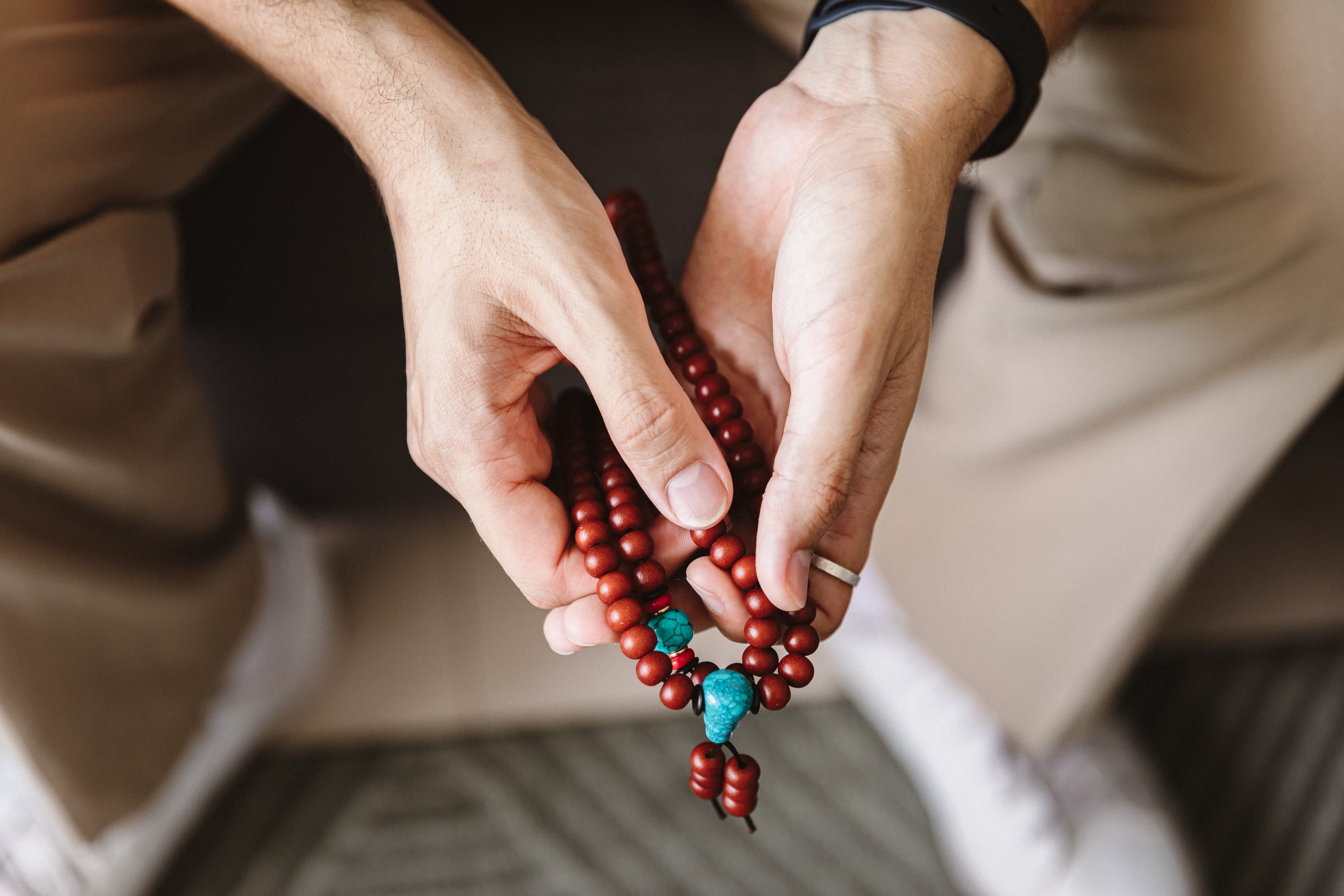
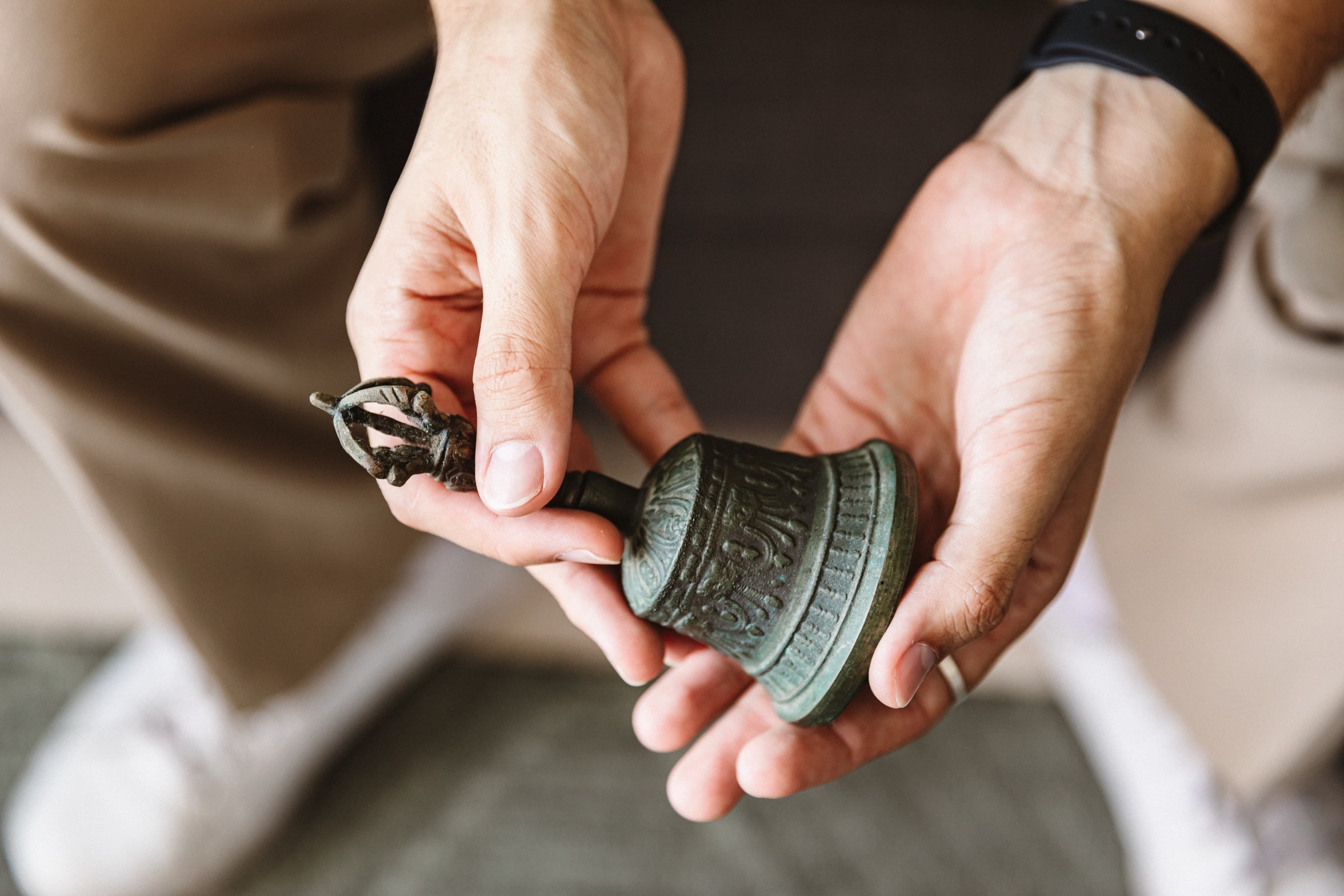
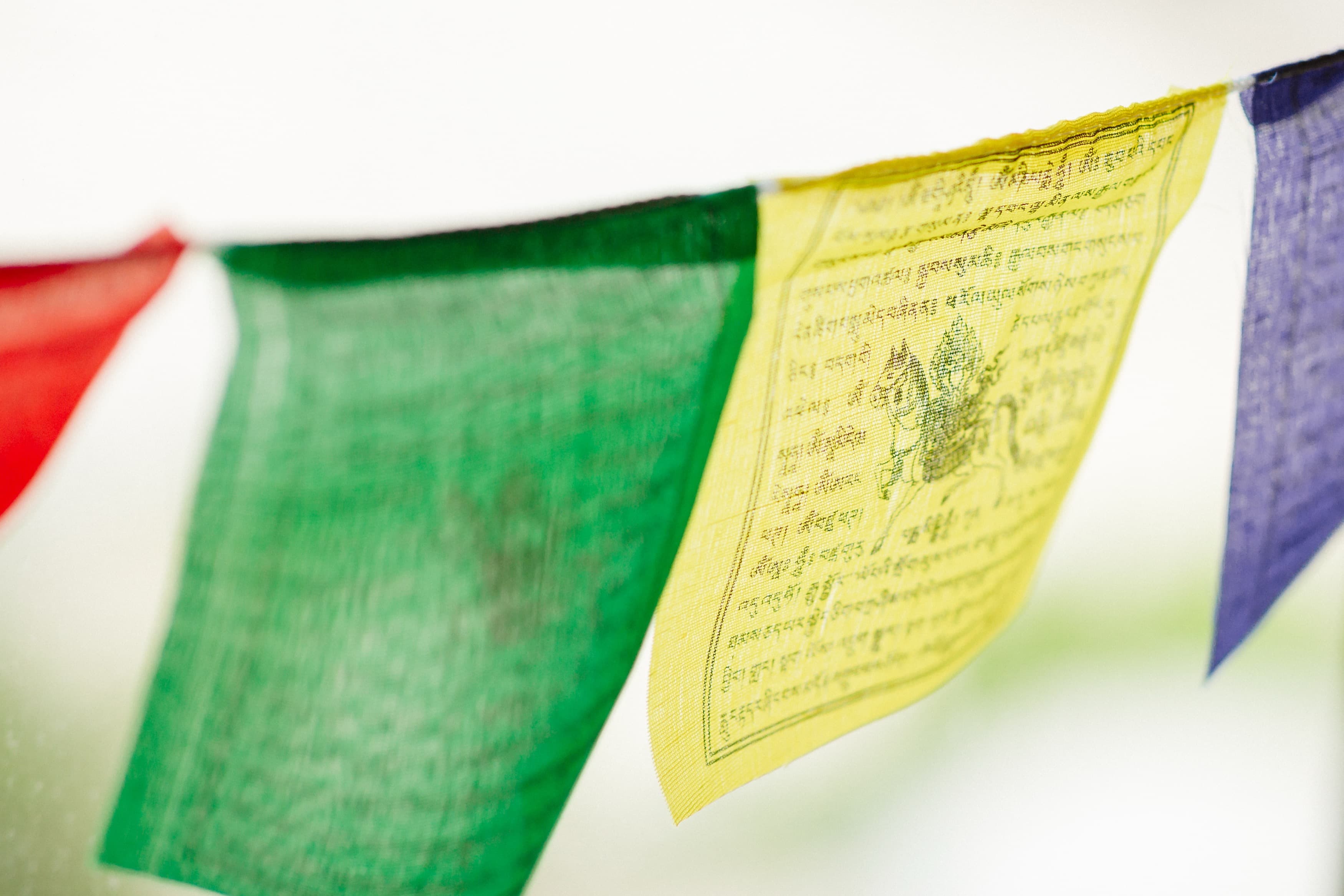
Pema knows, from his own family, how culture makes endurance possible. His father escaped Tibet at a young age and arrived in Australia seeking a more secure future for his children." I think about what it must have taken to start again in a completely foreign place." From his family, he learnt that belonging, what steadies people and binds them to one another, is “something you carry through culture, memory, and the connections you build.” What governments reduce to budget decisions, many communities know as survival, as the threads that hold their lives together.
That understanding shapes how he perceives Australia’s own inheritance. This country, he notes, has “the privilege to learn from the oldest continuing cultures on Earth,” alongside the rich and diverse knowledge held across migrant and multicultural communities. Together, they form a deep reservoir of insight about continuity, resilience, and shared responsibility. “When we draw on the wisdom of all our communities,” Pema explains, “we create policies that are more inclusive, more responsive, and ultimately better for everyone.”

The current policy trajectory of Australia’s arts and culture ecosystem
Pema’s story illustrates an arts and culture system structured around short-term, project-based funding cycles that privilege immediate deliverables over sustained practice. Funding settings incentivise frequent organisational resets, interrupting career pathways for artists, weakening ecosystems, and limiting the transmission of skills, repertoire, and institutional knowledge. Cultural activity continues to occur, but under conditions that strain continuity and reduce the sector’s capacity to support long-term community participation and creative, civic dialogue. This approach risks narrowing the cultural resources available to future Australians and constraining the sector’s ability to contribute to social understanding and democratic life.
The potential of future generations policy to intervene
A future generations policy approach positions arts and culture as infrastructure for long-term civic capability instead of episodic outputs. It advocates for funding stability, workforce development, and ecosystem continuity to strengthen cultural institutions, sustain creative careers, and support the accumulation of shared cultural knowledge across generations. This approach seeks to nurture an ecosystem where future Australians retain and sustain access to the creative capacities required for social connection, critical reflection, and adaptive problem-solving.
Policy landscape
Today’s policy landscape: Australia’s investment in arts and culture
The fragility Pema observes locally is mirrored at the national level. Australia’s cultural ecosystem operates within a policy environment marked by chronic underinvestment, fragmented governance, and short-term funding cycles that institutionalise precarity and embed volatility into the system. Cultural policy remains reactive and contingent, governed as supplementary rather than as essential public infrastructure.
This stands in tension with Australia’s own social reality. A nation shaped by more than 300 ancestries, Australia publicly affirms its multicultural diversity as a defining strength. Yet investment in the cultural infrastructure that translates diversity into belonging, participation, and shared identity remains fragile and uneven.
Between 2017 and 2021, Australia allocated only 0.9 - 1.0% of GDP to “recreation, culture, and religion”, ranking 26th out of 33 comparable countries. The 2023-24 Budget maintained investment at 0.9% of GDP. More consequential than the level of investment is its structure: intermittent, insecure, and rarely designed to accumulate capability over time. Cultural spaces and organisations are therefore asked to operate without the continuity required to sustain careers, institutions, or community participation.
The COVID-19 pandemic exposed and intensified these structural vulnerabilities. By April 2020, 94% of arts and recreation services reported negative impacts, compared with 53% of other industries. The shock landed heavy on a workforce already shaped by insecurity. Full-time creative practice declined from 23% in 2016 to 9% in 2024. Today, 78% of workers rely on freelance or self-employment arrangements with limited access to sick leave, superannuation, and other safeguards, and many have not returned to pre-pandemic working hours. What appears as volatility in times of crisis is, in fact, the continuation of a longer-standing policy design.
This fragility sits uneasily alongside the sector’s demonstrated value. Cultural activity contributed AUD 67.4 billion to Australia’s economy in 2023-24. Evidence consistently shows that participation in arts and culture is a long-term investment in societal wellbeing: it improves mental and physical health, increases life satisfaction, and strengthens community resilience. Culture generates measurable public value, yet policy settings treat it as discretionary rather than as civic infrastructure that reduces downstream social and economic costs.
At the state level, governance fragmentation compounds instability. In Queensland, time-limited programs and metropolitan concentration constrain long-term planning and limit participation pathways, particularly for regional and multicultural communities. While the new 10-year cultural strategy signals ambition, with the 2025-26 Arts portfolio allocating more than AUD 420.7 million, its impact will depend on sustained coordination with national policy and insulation from short-term fiscal pressures. Comparisons with Victoria, where per capita investment is substantially higher, show how uneven governance translates directly into uneven precarity across the sector.
The value of a future generations approach
Short funding horizons and unstable program cycles constrain planning capacity and undermine the retention of organisational knowledge and long-standing community partnerships. Project-based delivery fragments workforce development and audience cultivation, while repeated funding resets prevent expertise and infrastructure from compounding over time. Fragility is reproduced across funding cycles and, ultimately, across generations.
A future generations policy approach restructures these settings to build stability. It embeds long-horizon investment, cross-portfolio coordination, and sustained support for workforce and organisational development, shifting cultural policy from managing recurring disruption to enabling durable growth and structural continuity. Organisations retain and deepen expertise and relationships instead of repeatedly reconstructing them with each funding round.
International examples demonstrate that alternative designs are possible. In Finland, the integration of arts within health, education, and community services enables creative participation and skills development to extend across the life course, supported by cross-portfolio coordination. In Canada, the Multiculturalism Act embeds cultural participation within durable legislative and governance frameworks, protecting continuity beyond electoral terms.
Future Generations Policy Analysis
A Future Generations Policy lens on Australia’s 2023 National Cultural Policy
Case Study: Australia’s 2023 National Cultural Policy
Australia’s 2023 National Cultural Policy, Revive: A Place for Every Story, A Story for Every Place, recentres culture within national life. Through the work of Creative Australia, Australian Government’s principal arts investment and advisory body, it positions cultural participation as essential to national identity, social cohesion, and economic vitality. The policy also restores some funding lost in earlier reforms and introduces new institutional structures for cultural leadership. However, the policy continues to operate within short-term grant cycles and fragmented governance structures. As a result, Revive sits alongside existing funding arrangements without fundamentally reshaping them.
Small-to-medium organisations and independent artists remain particularly exposed to volatility, reflecting longer-standing structural pressures within the Australian arts funding systems. The Australian Design Centre, for example, experienced a 51% funding cut in 2016, followed by the loss of federal and state support. At the same time, existing investment mechanisms, including the National Performing Arts Partnership Framework (NPAPF), entrench a two-tiered funding structure that secures multi-year support for a small group of major companies while leaving smaller and independent organisations in precarious, competitive conditions, limiting the policy’s capacity to deliver sector-wide stability. While Revive signals renewed commitment and ambition, analysis suggests it does not yet resolve the deeper structural conditions that have historically produced episodic and insecure cultural work.
Fairness dimensions
Life stage equity
Short-term funding normalises episodic practice, locking in fragmented capability pipelines and leaving future governments without institutions able to sustain cultural leadership and transmission.
Distribution Across and Within Generations
Access tends to concentrate around established institutions and metropolitan centres, which supports some continuity, but also passes forward blind spots in whose knowledge and cultural experience shape public life.
Future Opportunities and Path Dependency
Frequent policy and funding resets prioritise short-term activation over long-term accumulation, limiting the cultural capability future governments inherit and reinforcing reliance on short-term delivery.
Proportionate and Justified Trade-offs
Funding frameworks emphasise short-term visibility and flexibility, which can enable responsiveness, but often do so at the expense of long-term infrastructure, increasing renewal costs for future governments.
Precautionary Approach
Governance anticipates immediate delivery risks but not threshold losses in cultural memory and participation, passing forward systems oriented toward recovery after erosion rather than protection before loss.
Our opportunity to shape Australia’s future
Australia can strengthen its arts and cultural trajectory by applying a future generations policy approach. Policymakers can treat arts and culture as long-term civic infrastructure and back them with predictable investment and durable governance arrangements. When governments maintain continuity, institutions retain knowledge, deepen participation, and build organisational capacity over time instead of repeatedly rebuilding it.
Australia now faces a policy inflection point. Existing settings risk allowing instability in the cultural sector to carry forward across generations. Different policy choices can instead build systems that reliably strengthen social connection, cultural knowledge, and collective meaning.
The following speculative futures, inspired by Pema’s story, explore how Australia’s cultural and civic landscape could diverge by 2040 under continued short-term settings or under redesigned policy frameworks.
Two possible futures
A future of cultural oblivion
It’s 2040, and the pattern Pema noticed had deepened into a reality harder to ignore. Australia’s capacity for long-term thinking weakened as cultural investment rose and fell with each budget cycle. Creative programs were cut again and again, and the loss of shared spaces left the country with a widening imaginative deficit. People struggled to agree on the basics because the places that once helped them understand one another were no longer there. Without bridges to cross those divides, disagreements hardened into distance, and the national horizon narrowed.
Communities retreated as the centre hollowed out. Schools cut creative learning, local festivals folded, and intercultural programs slipped from public life. Without spaces to hold cultural heritage and exchange, knowledge flattened and was left to occupy a shrinking patch of common ground.
The consequences reached deep into civic life. Creative careers were no longer sustainable, pushing artists, cultural workers, and storytellers overseas. With fewer cultural anchors, communities felt more isolated. Policy grew reactive because the civic imagination required for generational planning thinned. Social division sharpened. More money went into managing conflict and crisis than into preventing it. The bill exceeded what steady cultural investment would have required.
Australia, once a multicultural success story, became a cautionary tale about what happens when a nation treats culture as expendable.
A future of cultural renaissance
It’s 2040, and Australia has rebuilt its civic fabric enriched by culture and connection. Creative programs have become part of the everyday civic infrastructure that supports connection, identity, and resilience. Culture came to be understood as a condition for effective governance rather than a discretionary add-on.
Investment followed. Creative learning returned to schools, cultural practice was integrated into health and community services, and local arts and community centres were supported as essential gathering places. Brisbane’s Intercultural Futures Centre stands as a direct outcome of these choices, a place where multicultural communities teach continuity, belonging and shared responsibility. As people engaged with a wider range of stories, practices, and perspectives, the national imagination broadened; communities rediscovered the capacity to see beyond immediate pressures and to picture shared futures.
The effects are visible everywhere. Australia is now shaped by First Nations knowledge and by the insights carried from migrant communities. People step into public life with more ease, grounded by spaces that give them voice and confidence. Tensions soften as communities feel safer and more connected, and creative work feeds practical innovation across education, health, and climate adaptation. With stronger cultural foundations in place, fewer public resources are diverted to crisis response, and capability, trust, and participation develop in sustained and predictable ways.


Go deeper