
Portrait 09 of 15
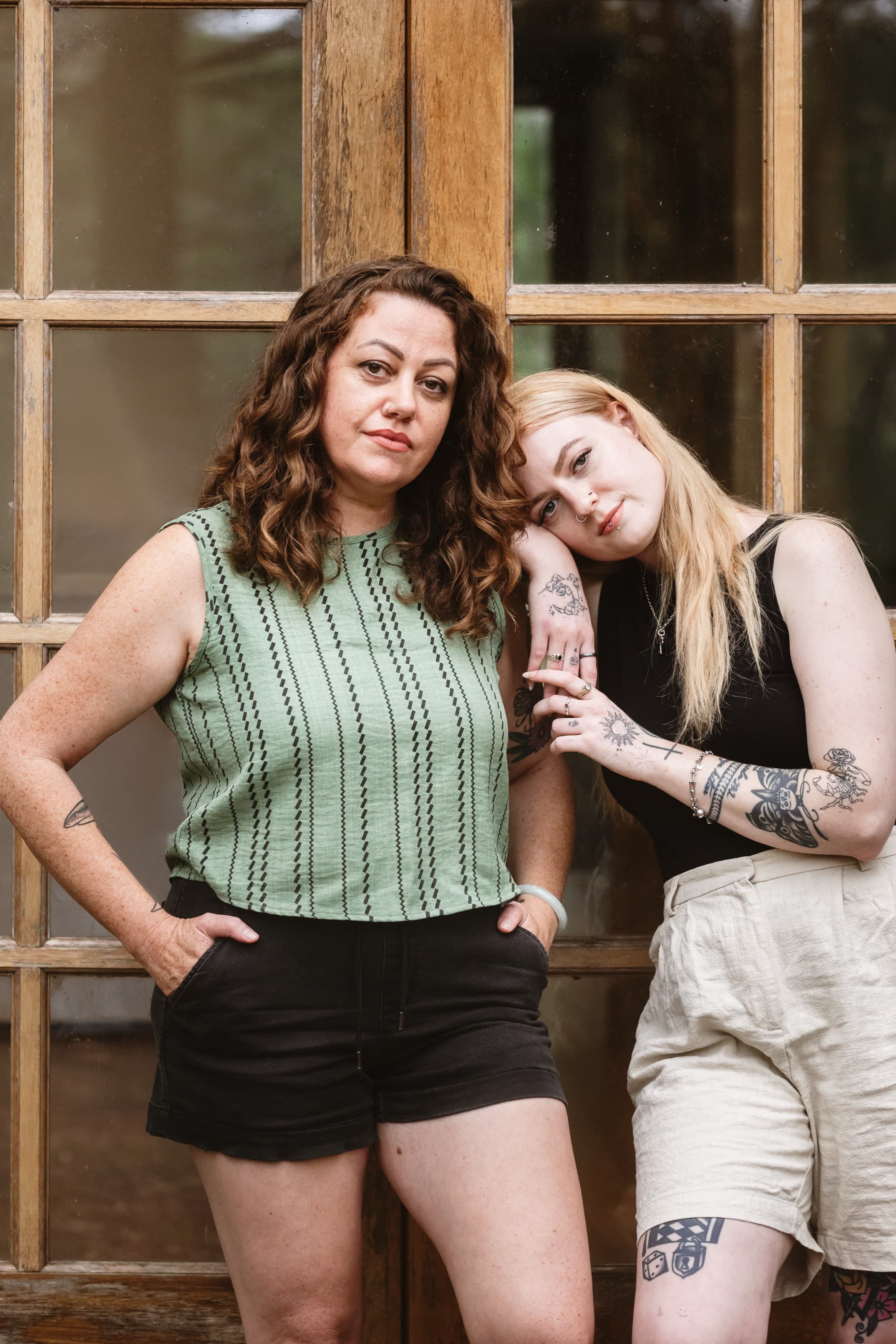
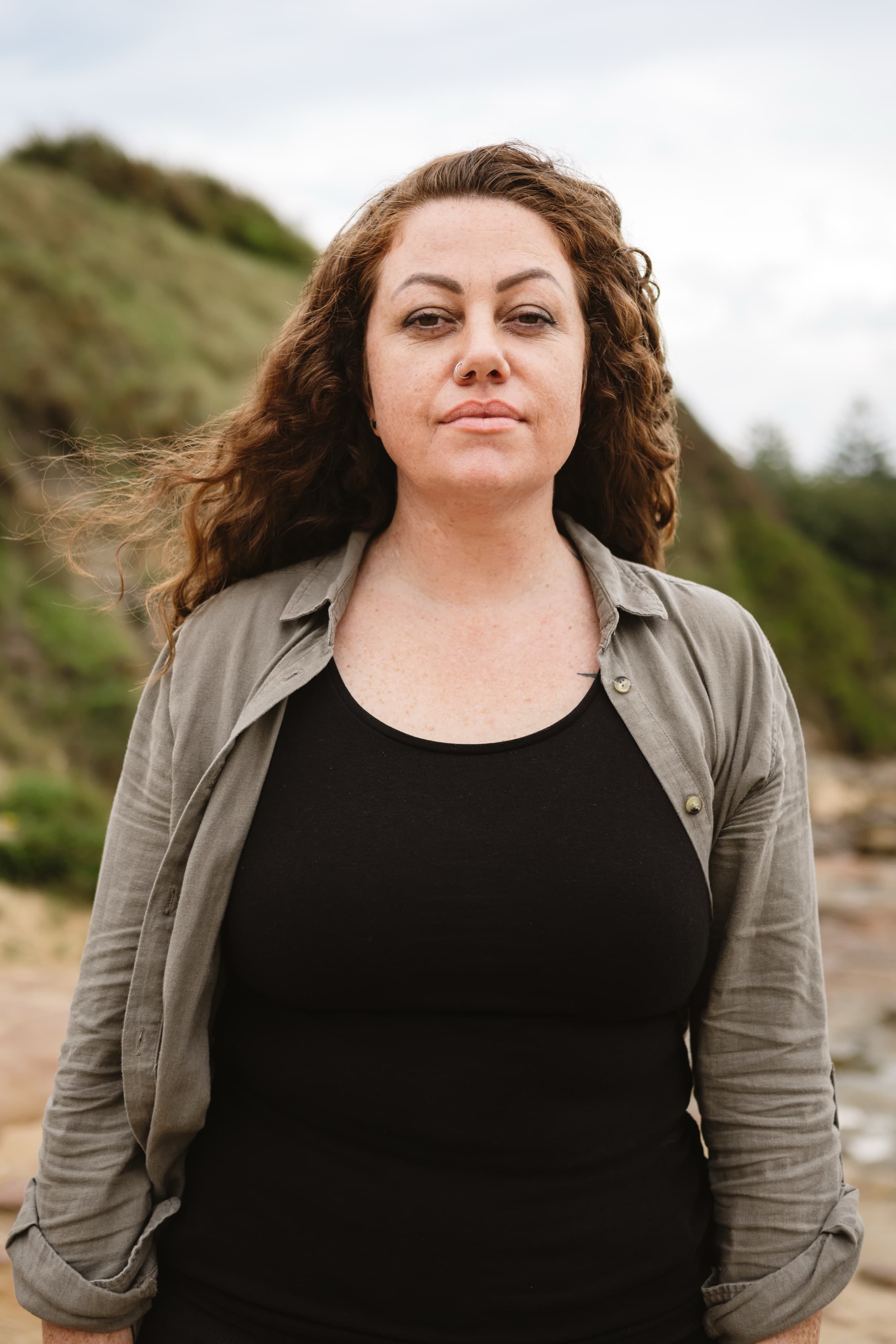
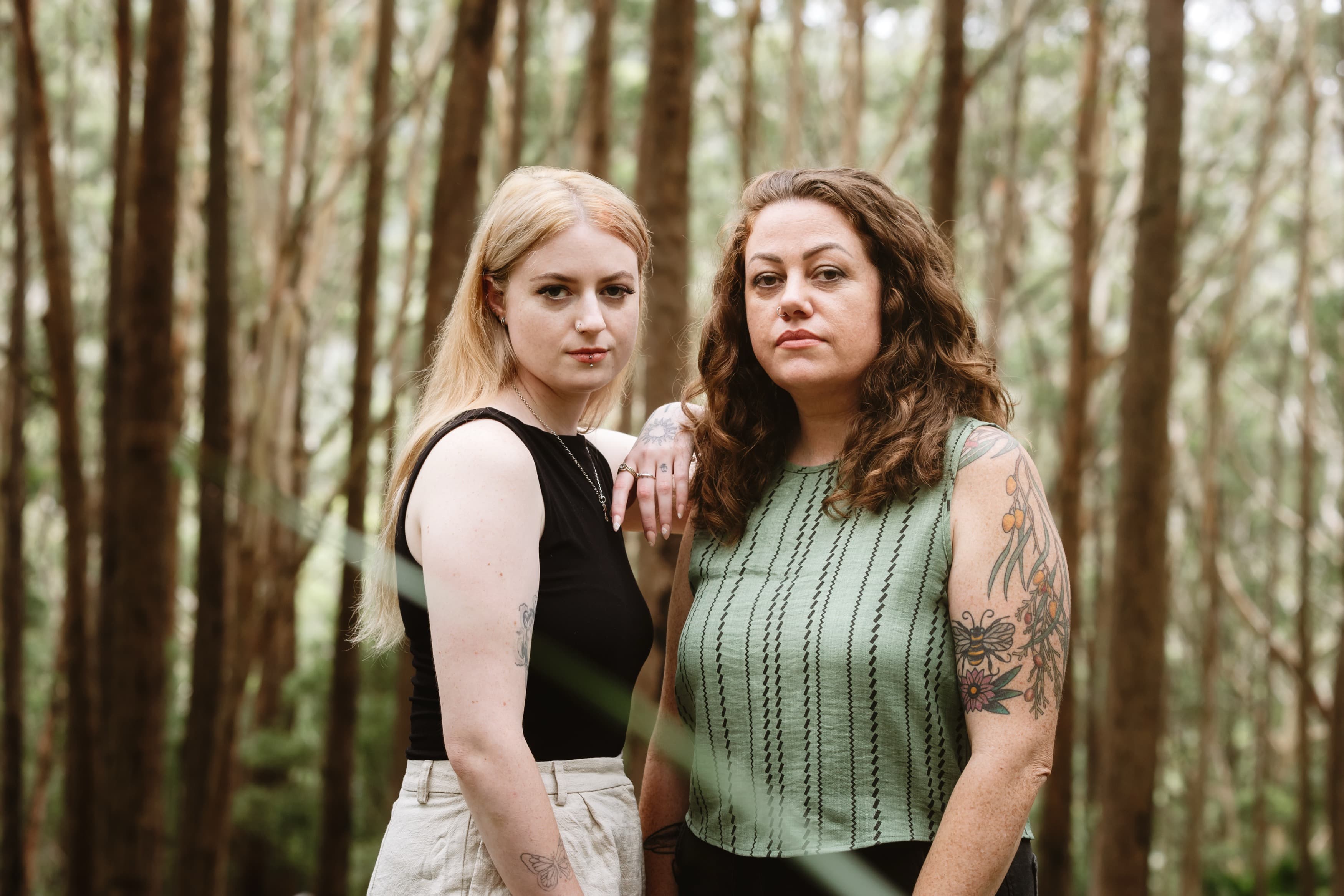
Alana & Zee
Integrating Diverse Ways of Knowing
she/her · 43 & 23 · Wodi Wodi Country, Dharawal Nation (Bulli), NSW
Indigenous knowledge · Education · Health
Sixty-five thousand years of knowledge. Acknowledged in selected weeks.
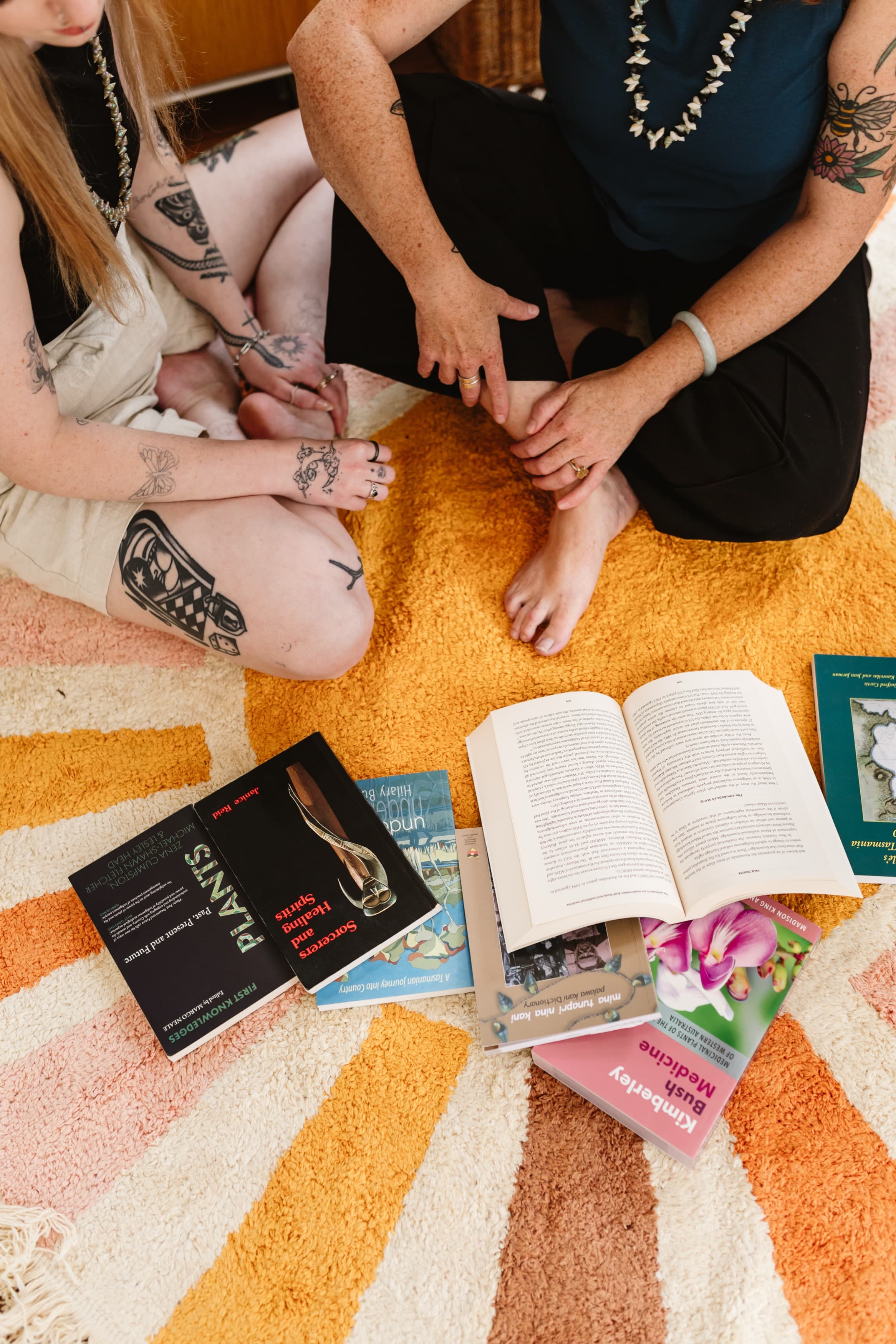
Alana and her daughter Zee are First Nations women who have found a path to leadership in academia, despite the burden of navigating systems that felt unresponsive to them. Together, they describe systems - in education, health, child protection, community services - that were designed around a narrow definition of valid knowledge, and what gets missed as a result. Their portrait is not a critique of Western expertise. It is an argument for integration - and for the durable policy gains that come when two knowledge traditions are treated as equal partners rather than hierarchy and supplement.
Through Alana & Zee’s eyes
Alana (she/her), 43 & Zee (she/her), 23 | Wodi Wodi Country, Dharawal Nation (Bulli, New South Wales)
For much of her schooling, Zee felt the system had room for only one way of thinking and one kind of story. As a neurodivergent First Nations person, she spent years trying to fit herself into a model that did not accommodate her. Her questions were “too much,” her movement “too distracting,” and her culture “acknowledged only in selected weeks”. “Too many of us survive school in spite of the system,” she says.
Moving through such an environment also meant carrying two different timelines. One holds more than sixty-five thousand years of memory and responsibility. The other resets every few months through media storms and policy cycles. Despite the rigidity of the systems around them, Zee and her mother Alana have built successful careers in First Nations health and research. Their achievements reflect personal persistence and determination in the absence of strong systemic support, and they hope future generations will not have to push through the same barriers.
Alana saw the consequences of narrow system design in her daughter’s schooling and now recognises the same pattern in health and family services. Subsidies, leave policies, and child protection frameworks appear comprehensive from a distance but reveal fractures up close. “If the principles and belief systems of policy do not match community ways and the inherent humanness in people, there is already a disconnect,” Alana explains. Zee traces this disconnect to its outcomes: “If we had better systems to deal with interconnected issues like drug addiction or rising rates of child removal, we could intercept these generational cycles.”
Through her work in First Nations Health,Alana has also seen what becomes possible when knowledge systems meet. Cultural medicines offer a different approach to care. “We could tackle chronic disease and mental distress in ways that restore connection and dignity,” she says. A system shaped by this understanding would honour relationships instead of treating people as problems to fix. Education could follow the same logic, "co-designed with local communities, flexible enough to reflect each place, and grounded in relationships.” Such an approach would help nurture generations “who are connected, well, and able to navigate complex challenges together.”
Alana and Zee do not reject contemporary science. They call for integration. "Australia has an extraordinary opportunity,” Alana says. ”We live in a place where the world's oldest continuing culture meets rapidly evolving scientific and technological knowledge. When we combine ways of thinking that have stood the test of tens of thousands of years with contemporary evidence, we don't dilute either knowledge system. Our responses become more honest, more grounded, and more sustainable."
What they have learned is that program reform alone is not enough without deeper cultural change. "Seeing different ways of knowing as a strength rather than a threat is the real long-term benefit," they explain. "When we genuinely respect and resource Indigenous and Western knowledge as equal partners, we improve policies and services, and also shift our national story towards maturity, reciprocity and shared responsibility."


The policy trajectory of knowledge recognition across systems
Alana and Zee’s story reveals public systems built around a narrow definition of valid knowledge. This design shapes outcomes across education, health, and community services. Institutional rules favour standardisation, procedural certainty, and comparability. As a result, codified expertise receives formal recognition, while relational, cultural, and experiential knowledge often remains marginal. In education, this limits how capability is identified and supported early. In health, it narrows diagnosis and care pathways and weakens trust, particularly for Indigenous and neurodivergent people. When difference is treated as misfit rather than insight, support arrives late and often through crisis. Across systems, this pattern delays recognition, fragments coordination, and reduces institutional capacity to respond to complex, interconnected needs.
The potential of future generations policy to intervene
A future generations policy approach frames knowledge plurality as a foundation of long-term national capability. Institutional design that recognises and integrates multiple ways of knowing can reshape how value is identified across education, health, environmental stewardship, and governance. Earlier recognition of difference strengthens diagnosis, improves learning pathways, and builds trust between communities and institutions. Policies that support cultural intelligence, relational knowledge, and lived experience alongside formal expertise expand the range of insight available to decision-makers. Future generations inherit systems better equipped to navigate complexity, coordinate across sectors, and sustain collective wellbeing.
Policy landscape
Today's policy landscape: inviting insights from multiple knowledge systems
Australia’s education system plays a decisive role in shaping whose knowledge is recognised as legitimate. Curriculum design defines what counts as credible knowledge and how capability is measured. These choices shape how difference is interpreted early in life. For students like Zee, they determine whether unique ways of thinking are cultivated as intelligence or managed as deviation.
Current curriculum and assessment frameworks continue to centre Western disciplinary knowledge as the primary pathway to progression. Indigenous knowledge appears more often as contextual content than as a foundation shaping how learning is structured, assessed, and governed. Authority over curriculum remains highly centralised, leaving limited space for local adaptation or shared decision-making with Indigenous communities.
This structure frequently shifts the burden of engagement onto under-resourced Indigenous individuals and organisations. Genuine integration requires Indigenous leadership, fair remuneration, and protection of cultural and intellectual property. It also requires non-Indigenous practitioners with the cultural capability and institutional time to build respectful, sustained partnerships.
Australia’s endorsement of the United Nations Declaration on the Rights of Indigenous Peoples (UNDRIP) reinforces the stakes. Article 14 affirms the right of Indigenous peoples to establish and access education in their own culture, including within mainstream systems. When curriculum structures make this access difficult in practice, policy settings risk drifting away from these commitments.
Evidence from multiple sectors shows what becomes possible when Indigenous and Western knowledge systems operate as partners rather than hierarchies. Combining scientific methods with Indigenous relational understandings of land, health, and community has strengthened responses to complex challenges.
Indigenous fire management provides one of the clearest examples. Traditional Owners and rangers bring deep knowledge of seasonal rhythms, vegetation patterns, and cultural responsibility that sustains healthy landscapes. When combined with satellite imagery, emissions modelling, and Western fire ecology, these practices have reduced the frequency and intensity of late-season wildfires, protected biodiversity, and lowered carbon emissions. Savanna burning initiatives now generate accredited carbon credits while supporting Indigenous employment and land stewardship, producing environmental stability, local livelihoods, and cultural renewal that reach far beyond land management.
Similar principles are visible in education. Two-Way Science programs across northern and central Australia integrate Indigenous and Western knowledge systems within the same learning environment. Evaluations show stronger attendance, deeper engagement, and improved scientific literacy among Aboriginal students, alongside greater cultural understanding among non-Indigenous peers.
The same approach is transforming healthcare. The Birthing in Our Community model in Queensland demonstrates how knowledge partnership can reshape clinical practice. Through co-governance between Aboriginal Community Controlled Health Organisations and hospital providers, the program integrates Indigenous kinship-based knowledge with evidence-based maternity care. The results include a 50% reduction in preterm births, higher rates of healthy birthweight, and a 63% reduction in child removals. By centering cultural safety, family, belonging, and self-determination, the model strengthens trust while improving health outcomes.
These examples point to a broader lesson for public systems. When institutions recognise and resource multiple knowledge traditions, they expand the range of insight available to decision-makers. Systems become more responsive to lived reality, more capable of navigating complexity, and better equipped to support collective wellbeing across generations.

The value of a future generations approach
Public systems decide which forms of knowledge are recognised early, which remain marginal, and which surface only after failure or harm. When Indigenous or other relational and experiential ways of knowing are treated as supplementary inputs, decision-making narrows. Trust weakens, engagement declines, and institutions lose access to insights needed to anticipate risk, sustain wellbeing, and navigate complexity across long time horizons.
A future generations policy approach positions knowledge plurality as a core system capability. It focuses attention on how curriculum, pedagogy, and assessment recognise different forms of knowledge from the start. It also examines whether governance in education, health, environmental management, and social services integrates diverse knowledge systems when defining problems, assessing evidence, and exercising authority. Without this integration, institutions tend to intervene late, responding only after exclusion has produced higher costs and weaker outcomes.
Experience elsewhere shows that integration can reshape system performance. In Aotearoa New Zealand, Te Kotahitanga transformed mainstream education by embedding Māori relational pedagogy into everyday teaching practice. Engagement and learning improved as classroom relationships and expectations changed. A similar principle guides environmental governance through the Te Awa Tupua Act, which recognises the Whanganui River as a living entity and requires decisions to draw on both Māori guardianship and Western legal frameworks.Ecological health, cultural continuity, and legal accountability operate together within the same governance structure. In both cases, redesigning core institutional architecture strengthened legitimacy, coordination, and long-term stewardship across systems.
Future Generations Policy Analysis
A future generations policy lens focuses attention on the design choices shaping how knowledge is recognised across public systems. Aligning curriculum governance and system standards with long-horizon capability building allows diverse knowledge to inform decisions earlier. Systems strengthen their capacity to anticipate risk, adapt practice, and maintain legitimacy across generations.
Case Study: The Australian Curriculum (Version 9.0)
Version 9.0 of the Australian Curriculum increases the visibility of Aboriginal and Torres Strait Islander Histories and Cultures and supports national truth-telling objectives. However, the curriculum’s underlying structure remains largely unchanged.
While Indigenous perspectives appear more frequently in learning materials, authority over what counts as valid knowledge continues to sit within Western disciplinary frameworks. This limits the influence of Indigenous knowledge on assessment standards, learning progression, and the broader architecture of how capability is recognised.
Implementation also faces workforce constraints. Most teachers have been trained within Western pedagogical and assessment traditions and report limited preparation to work confidently with Indigenous knowledge systems. Time pressures, insufficient professional development, and restricted classroom autonomy make it difficult to redesign learning environments. As a result, many educators approach Indigenous content cautiously or engage with it only superficially.
Political dynamics further shape how reform unfolds. Curriculum change occurs within short electoral cycles and highly contested cultural debates, encouraging cautious interpretation and conservative implementation. Teachers are asked to deliver inclusion while operating within institutional structures that limit time, discretion, and authority.
The result is a curriculum where Indigenous knowledge appears more prominently in content but has limited influence on how learning itself is defined, assessed, or valued.
Fairness dimensions
Life stage equity
Slow and partial reform means successive cohorts move through education systems before broader ways of knowing are meaningfully recognised. As a result, generations of Indigenous and non-Indigenous Australians pass through schooling without developing a shared understanding of relational, cultural and place-based knowledge, leaving future institutions with reduced capacity for long-term judgment and adaptation.
Distribution Across and Within Generations
When decisions about what counts as knowledge sit within a single tradition, systems become less able to notice and use other forms of insight. Over time, this passes forward to institutions that struggle to recognise place-based and relational intelligence, narrowing who can meaningfully shape decisions and influence outcomes across generations.
Future Opportunities and Path Dependency
Current settings acknowledge the value of broader perspectives, but core curriculum structures remain unchanged. This keeps future governments oriented toward short-term responses to complex problems. As systems continue to rely on familiar forms of evidence, they gradually lose the ability to recognise other ways of understanding the world, reducing the range of futures they can realistically plan for or govern.
Proportionate and Justified Trade-offs
Favouring short-term certainty and stability over deeper structural change shifts costs into the future. Delaying investment in broader ways of knowing increases later spending on crisis response and remediation, leaving future governments and service systems with higher baseline costs and less room to prevent problems early.
Precautionary Approach
Steps to increase visibility of Indigenous knowledge provide some protection against complete erasure, but without securing its role in decision-making they remain vulnerable to reversal. If progress stalls or is unwound, trust, continuity and shared understanding can weaken beyond a point where rebuilding becomes slow and costly, passing forward systems with limited capacity for long-term stewardship.
Our opportunity to shape Australia’s future
Across education and other public systems, narrow definitions of knowledge quietly shape what institutions can see and respond to. When ways of knowing grounded in relationship, place, lived experience, or cognitive difference remain peripheral, people move through institutions without the shared interpretive capacity needed to navigate complexity together. Institutional judgement weakens, systems rely more heavily on late intervention, and future generations inherit structures that respond after harm has already taken hold.
Two possible futures
A future of continued exclusion
It is 2040, and Australia is still governed by systems that never learned to look beyond the short term. Institutions cling to inherited routines, mistaking predictability for resilience. Education continues to prioritise compliance over curiosity. Health systems remain rigid and episodic, intervening late and often only after harm has taken hold. People move through services as cases rather than relationships. Preventable illness, mental distress, and crisis-driven care have risen as public spending expands around response rather than prevention. Families and communities carry the costs of models that disregard culture, connection, and the wider conditions that shape wellbeing.
Governance now struggles to operate in a world defined by volatility. The absence of Indigenous leadership and long-horizon ethics in decision-making has left policy reactive and fragmented. Climate shocks, demographic shifts, and workforce shortages expose the limits of systems designed for stability. Institutional responses continue to lag behind lived realities, widening the distance between community knowledge and formal authority. Trust erodes as people encounter services that function unevenly, if at all.
By 2040, exclusion is embedded in the country’s institutional architecture. Australia never moved beyond symbolic recognition toward genuine partnership with its oldest knowledge systems. What might have strengthened resilience remained unrecognised. Communities now navigate increasingly complex futures within systems that were never built to hold them or uphold responsibility across generations.
A future of integrated knowledge
It is 2040, and the country that once treated Indigenous knowledge as an adjunct now stands as a global example of governance grounded in multiple ways of knowing.
The shift began in education. Schools partnered with local communities to centre Indigenous pedagogies, reshaping learning around place, relationship, and responsibility. Difference came to be recognised as capability rather than deviation. Assessment expanded beyond standardised metrics to value story, art, care, and custodianship, and time on Country gained recognition as rigorous learning.
Health systems changed in parallel. Pregnancy, mental distress, and chronic illness are now addressed through communal and preventative models rather than narrow clinical pathways. Care prioritises continuity, dignity, and relationship, with community-governed services reducing crisis intervention and improving long-term outcomes.
Governance itself was redesigned. Indigenous and Western knowledge stood as equal partners in shaping policies that endure. First Peoples' law, ethics, and responsibility guide purpose and direction, while data, tools and scientific innovation support implementation. Cultural medicines work alongside Western clinical care under Indigenous governance, and evidence-based teaching sits within local language, lived history, and land-based learning.
Institutions now adapt to the communities they serve. Long-term planning replaced reactive cycles, with sustainability, intergenerational equity, and responsibility to Country guiding decision-making.
The cultural shift reshaped national identity. Australia came to treat its diverse knowledge systems as national assets. Difference became strength. Shared responsibility became the norm. Wellbeing now grows from foundations designed to endure across generations.

Go deeper